Learn Italian for Beginners: Essential Starter Guide
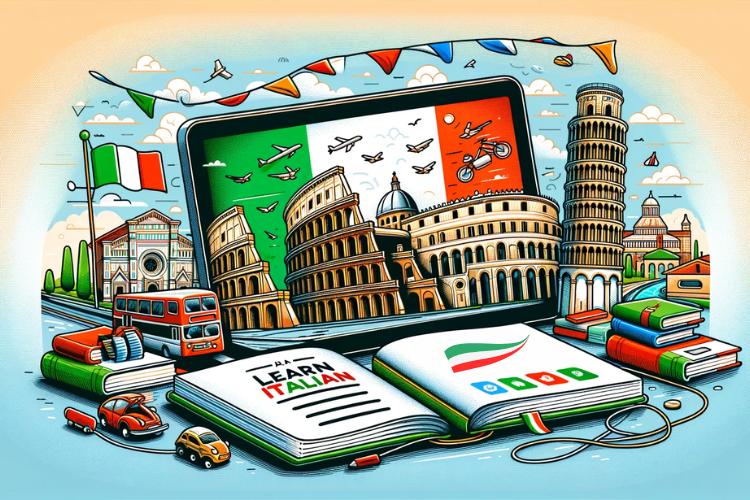
Ciao a tutti! It’s Max here, your Italian language enthusiast. If you’ve decided to learn Italian as a beginner, this collection of resources is here to help you achieve your goals.
Covering everything from basic phrases and vocabulary to conversations, grammar, exercises, and comprehension activities, you’ll find the vital tools needed to jumpstart your journey in learning Italian for beginners.
How We Put These Resources Together
Since launching LearnItalianPod in 2005 with free lessons and advanced content, our podcast has been a pioneering force in Italian language learning, achieving over 28 million downloads. Here’s the proof.
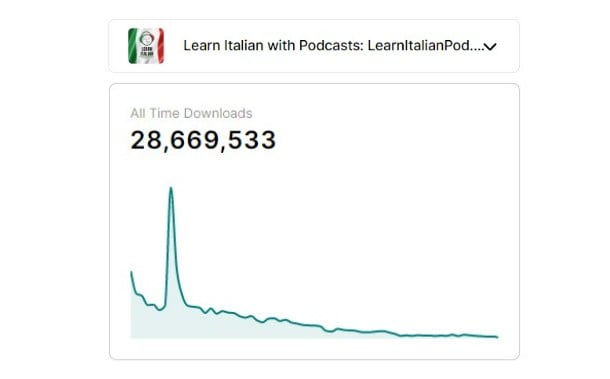
This success not only showcases our expertise but also informs our approach. Leveraging this experience, we’ve meticulously researched and compiled the most valuable resources listed below to aid your Italian for beginners’ journey.
New to Learning Italian? Start Here 👇
Acknowledging that everyone has their unique way of learning, this section is crafted to help you discover your personal path to learning Italian as a beginner.
From apps to podcasts and games to grammar books, explore a variety of tools and methods to support and enhance your Italian language learning journey. If you don’t speak Italian, here are a few resources to get you started.
- What’s the Best Way to Learn Italian That Works for You? – Discover your ideal method for learning Italian through tailored approaches and strategies.
- Best App to Learn Italian in 2024: Top 25 Language Apps – Explore the top apps to find the perfect digital tool for your Italian learning journey.
- 25 Best Podcasts to Learn Italian in 2024 for Any Level – Immerse yourself in Italian with a selection of the best podcasts suitable for learners at any level.
- Learn Italian with Games: Best 10 Websites & Apps – Make learning Italian fun and interactive with these engaging games and apps.
- Best Italian Grammar Books to Master the Language – Enhance your understanding of Italian grammar with these recommended books.
LearnItalianPod Podcast Series
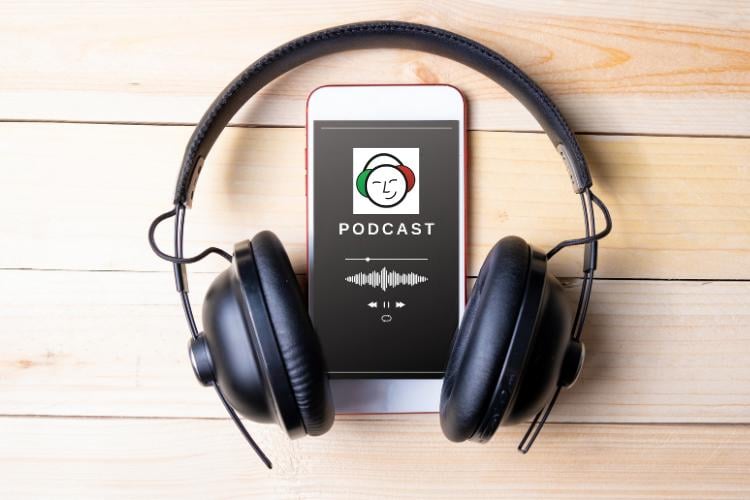
Enhance your Italian learning with the comprehensive LearnItalianPod podcast series.
Each episode is crafted to support and expand your language skills, covering everything from basic vocabulary and grammar to cultural insights and practical conversational abilities.
This series is great for anyone embarking on their Italian language journey, whether you’re a beginner or looking to deepen existing skills. It offers a rich resource to improve both understanding and fluency in Italian.
Visit our Podcast page for engaging and educational episodes suitable for learners at all levels.
How to Say It in Italian
Dive into the basics of Italian small talk with our focused ‘How to Say’ guides. These resources are designed for beginners to learn essential words and sentences for casual Italian conversations quickly.
For a structured learning experience, we recommend starting with the following order:
- How to Say Hello in Italian: 21 Ways to Greet Like a Local
- How to Say Good Morning in Italian: Greetings Guide
- How to Say Yes in Italian: Best 41 Ways with Audio
- How to Say No Problem in Italian: 7 Ways with Audio
- How to Say Please in Italian: 10 Common Ways with Audio
- How to Say “Let’s Go” in Italian with Audio Examples
- How to Say Cheers in Italian: 21 Best Ways with Audio
- How to Say Delicious in Italian: 16 Best Phrases for Foodies
- How to Say Eat in Italian: Your Guide to Mangiare
- How to Say Good Luck in Italian: 25 Sayings & Phrases
- How to Say Bon Voyage in Italian: A Buon Viaggio Guide
- How to Say I Love You in Italian: Express Your Amore
Italian Vocabulary for Beginners
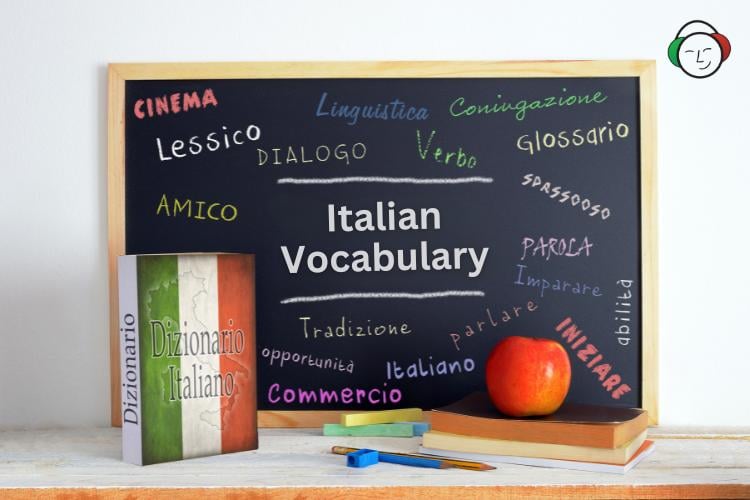
Start building your Italian vocabulary with these hand-picked resources.
These tools are perfect for beginners looking to grasp the foundational aspects of the Italian language, from alphabet pronunciation to counting, days of the week, and essential slang expressions.
Whether for travel, personal interest, or starting your Italian learning path, these resources provide an easy and effective way to build a solid vocabulary base in Italian.
- Mastering the Italian Alphabet Pronunciation – Learning pronunciation first lays a foundation for correctly speaking and understanding Italian.
- 1 to 10 Italian Numbers: Counting in Italian – A fundamental skill that’s relatively simple to grasp after learning the alphabet.
- Learn the Four Seasons in Italian: Enhance your linguistic palette by absorbing the words that define Italy’s picturesque seasonal changes.
- Learn the Days of the Week in Italian – This introduces common vocabulary that’s used regularly in conversation.
- Italian for Money: What is Italy’s Currency? – Understanding currency-related terms is practical, especially for travelers.
- 135 Basic Italian Phrases for Travel (with PDF Cheat Sheet) – Essential for travelers, this guide offers a comprehensive list of phrases to interact with locals and enrich your travel experience.
- How to Answer the Phone in Italian – This short lesson will explore the basics of how to answer the phone like an Italian, providing several sentences you can use.
- 37 Essential Italian Slang Words & Expressions – This introduces more colloquial language, which is better tackled after understanding basic vocabulary and pronunciation.
Italian Stories for Beginners
Italian Stories for Beginners offers a unique and enjoyable way to learn Italian. These stories are designed to weave essential grammar concepts into engaging narratives.
Each story provides practical Italian language lessons in the context of everyday situations, enhancing your understanding of Italian culture and grammar in a natural, enjoyable format.
Perfect for beginner Italian learners, these stories make learning Italian both effective and delightful. Top picks to begin your adventure:
- Vacation Plans Dialogue – An engaging introduction to conversational Italian centered around planning a vacation.
- Kitchen Chat: Gender in Italian – Unravel the nuances of gender in Italian through a friendly kitchen conversation.
- Shopping Day: Articles in Italian – Navigate the intricacies of Italian articles during a shopping adventure.
- Romantic Dinner: Avere in Italian – Explore the usage of the verb ‘avere’ in the context of a romantic dinner setting.
- Family Introduction: Essere in Italian – Learn about the verb ‘essere’ through the dynamics of a family introduction.
Italian Grammar
Although grammar might not be everyone’s favorite subject, it’s crucial for fluency in any language, including Italian. Begin your journey to mastering Italian grammar and expanding your vocabulary with these selected resources.
Ideal for beginners to establish a strong foundation, this collection offers thorough explanations, practical exercises, and insightful tips. Below are five good resources to get you started.
- Italian Grammar 101: The Basics of Italian You Need to Know
- Italian Verb Conjugation Made Easy with PDF Chart
- Stare vs. Essere (To Stay vs. To Be): What is the Difference?
- Double Object Pronouns in Italian: Your Grammar Guide
- 23 Best Italian Grammar Books to Master the Language
Italian Traditions and Heritage
While not structured as formal Italian lessons, the Italian Tradition & Heritage category articles are key to experiencing how Italians truly speak and live.
They offer a genuine taste of Italy’s everyday speech and the vibrant life that pulses through its streets and homes. Dive into tales of folklore, idiomatic expressions, and cultural anecdotes that bring you closer to the authentic Italian way of life.
For a taste of real Italian, explore our recommended articles below on life sayings, friendship, and charming colloquialisms.



Italian Quizzes & Trivia
Explore the fun and educational world of Italian quizzes and trivia. While these aren’t structured lessons, they offer a delightful way to learn basic Italian words and immerse yourself in Italian culture.
Test your knowledge of various aspects of Italy – from its rich history and exquisite cuisine to its vibrant culture. Each quiz enhances your language skills and brings you closer to understanding the heart of Italy. Discover some engaging picks below:





Italian Listening Practice
Improve your Italian comprehension with these engaging listening exercises. Designed for upper beginner and intermediate learners, this content explores aspects of Italian culture such as history, art, and gastronomy.
Below are three recommended listening practice exercises, excellent to improve your listening abilities and appreciate Italy’s diverse and rich cultural heritage.
- Listening Comprehension in Italian: Leonardo da Vinci
- Italian Listening Comprehension: Enrico Caruso
- Improve Your Italian Comprehension: Marco Polo
Before You Go…
As you learn Italian for beginners, don’t just focus on language; dive into this website’s Italian Lifestyle & Culture section for insights that bring Italy’s vibrant culture to life. This exploration will significantly enrich your Italian learning experience.